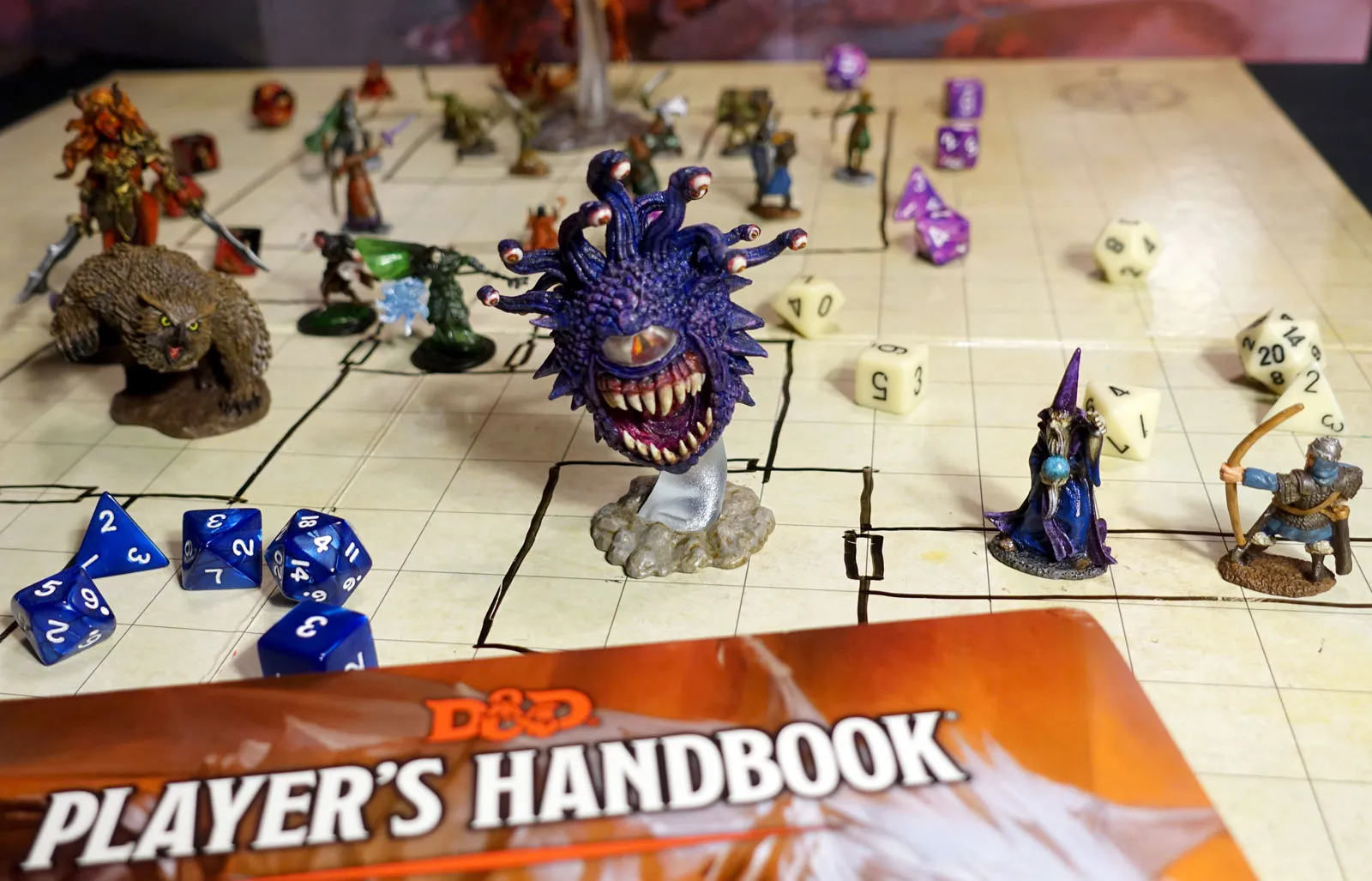
1Dungeons & Dragons (D&D), is the pioneering tabletop role-playing game. Created by Gary Gygax and Dave Arneson, and first published in 1974 by Tactical Studies Rules (TSR). It drew inspiration from wargaming, fantasy literature like J.R.R. Tolkien's works, and mythology; and introduced a revolutionary format where players could create characters, roll dice to resolve actions, and collaboratively tell stories guided by a Dungeon Master (DM).
Gary Gygax
the Creator2
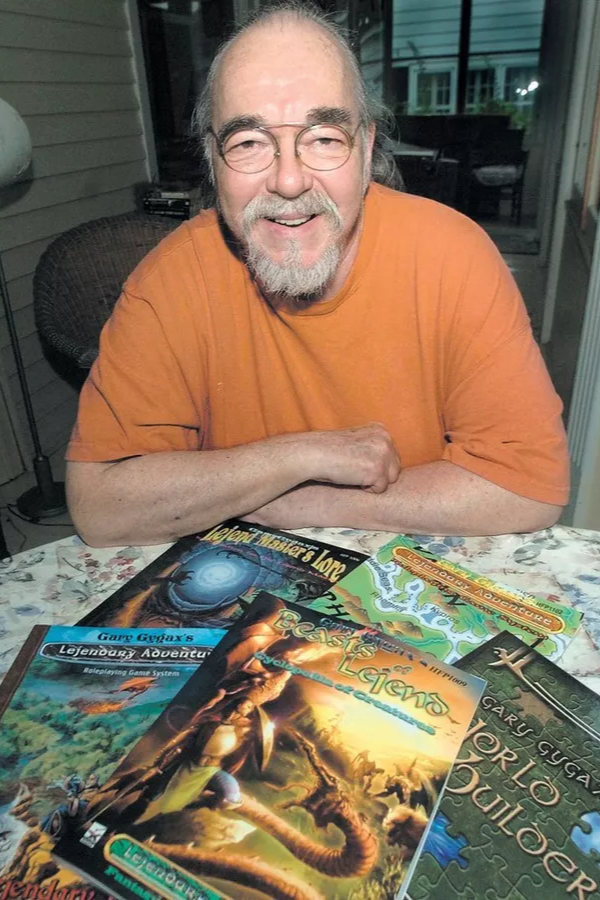
Gary Gygax, born on July 27, 1938, in Chicago, Illinois, was a game designer and author best known for co-creating Dungeons & Dragons (D&D), the first tabletop role-playing game (RPG), with Dave Arneson. His early life was marked by a passion for games like chess and wargaming, influenced by fantasy literature such as J.R.R. Tolkien and Robert E. Howard. In the 1960s, he co-founded the International Federation of Wargamers and organized Gen Con, a major gaming convention. His work on Chainmail (1971), a medieval wargame with fantasy elements, set the stage for D&D.
In 1973, Gygax co-founded Tactical Studies Rules (TSR) with Don Kaye and later Brian Blume. Combining Chainmail with Arneson's Blackmoor, which focused on individual character control, Gygax refined the rules, introducing character classes, experience points, and dice-based mechanics. D&D was published in 1974, blending storytelling with strategy. Gygax continued developing the game, releasing Advanced Dungeons & Dragons (AD&D) in 1977 and founding The Dragon magazine in 1976. Internal disputes at TSR led to his departure in 1985, but he remained active in gaming, designing other games and writing novels until his death on March 4, 2008.
Key Milestones3
- 1974: The original D&D, a boxed set with three booklets, establishes core mechanics like character classes (fighter, wizard, cleric), levels, and dice-based resolution.
- 1977-1979: Advanced Dungeons & Dragons (AD&D) releases, refining rules with the Player's Handbook, Dungeon Master's Guide, and Monster Manual.
- 1989: AD&D 2nd Edition focuses on storytelling and expands settings like Forgotten Realms and Dragonlance.
- 2000: D&D 3rd Edition, now by Wizards of the Coast (acquired TSR in 1997), introduces the d20 system, streamlining mechanics. 3.5 Edition (2003) refines it.
- 2008: 4th Edition emphasizes tactical combat and balance but divides fans due to its departure from traditional mechanics.
- 2014: 5th Edition launches, blending accessibility with classic elements, becoming the most popular edition, boosted by media like Critical Role and Stranger Things.
- 2024: A revised 5th Edition (often called “One D&D”) releases, updating rules while maintaining compatibility, but has received backlash from some fans and is yet to be widely adopted.